CropX Agronomy
·
7 Jul 2026
·
6 min read
Spotting fall armyworm before it costs you the field
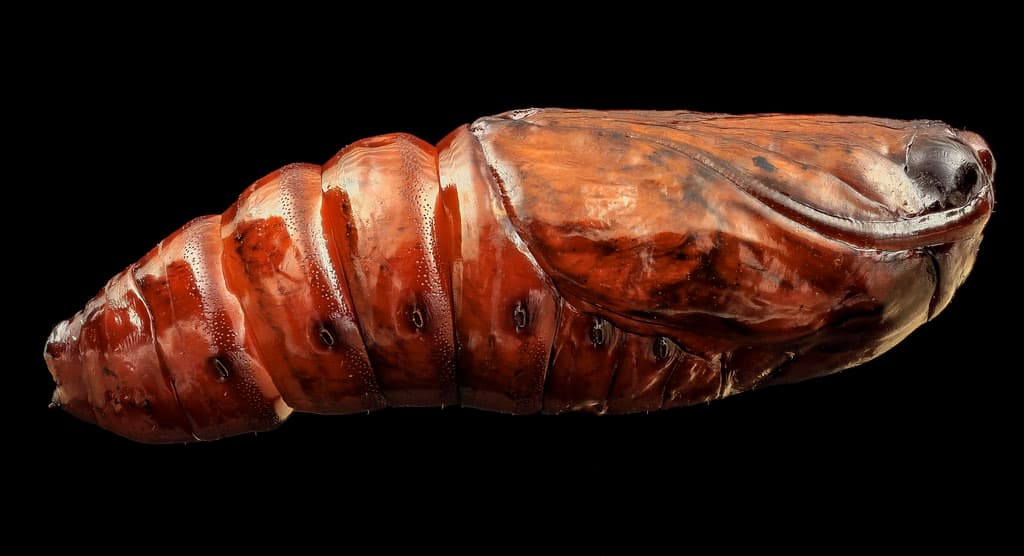
Fall armyworm established itself across sub-Saharan Africa from 2016 and is now a permanent feature of maize production. It is manageable when caught early and close to unstoppable once larvae are large and sheltered deep in the whorl.
What early damage looks like
- Small translucent "windows" in young leaves where larvae have fed through one surface
- Moist sawdust like frass in the leaf whorl, which is often the clearest early sign
- Ragged holes with irregular edges, distinct from the neat cuts of other feeders
Late damage is obvious and largely untreatable: the whorl shredded, frass packed in, and larvae too large and too well protected for contact sprays to reach.
Scout deliberately
Walk the field twice a week from emergence, checking the whorls of plants at several points rather than only at the edges. Damage is patchy, and the margins of a field are not representative.
Why reporting matters beyond your own field
Armyworm moves. A district where several farms report early damage in the same week can act together, and the value of one farmer's observation is much greater when it is pooled. That is the reasoning behind crop surveillance: individually these are anecdotes, collectively they are an early warning system.
Pests
Surveillance
The agronomy here is general guidance, not a substitute for advice tailored to your field. Confirm variety choices with an agronomist or your state agricultural development programme. Try the Seed Advisor.