
Climate Insights
You cannot choose seed without knowing the climate you are choosing it for
Rainfall totals, season length, and drought risk differ enormously across Nigeria. These are the assumptions every CropX recommendation and every climate fit planting decision rests on.
Get started (free)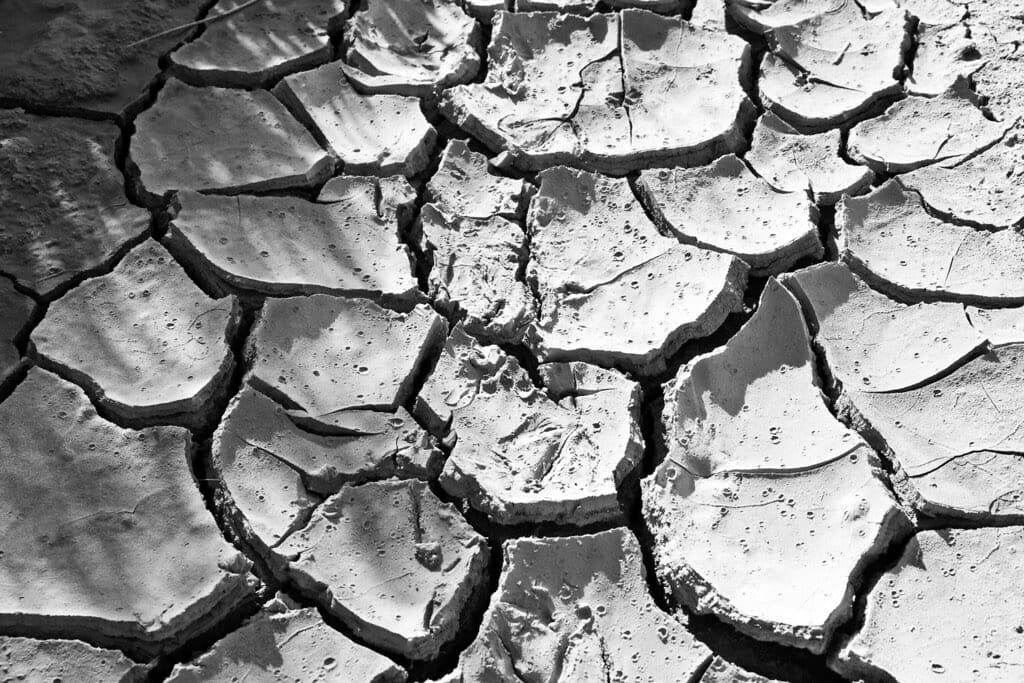
Climate stress shows up at planting time
Warming, shorter seasons, and seed mismatch hit the same harvest. Climate Insights is the zone model behind every CropX shortlist.
Climate
1.5–2×
Faster Sahel warming
The growing season is shortening and mid season dry spells are more common. Varieties bred for yesterday’s climate are a food security risk.
Indicative; citation pending
Seed mismatch
30%
Yield at stake
A poorly matched variety can lose a large share of harvest when rains break early. That is household food, not only farm income.
Indicative range, not a measured trial figure
Food security
2 in 3
Smallholder farms
Most farms are under two hectares. Seed choice has to be legible without accounts, dashboards, or specialist jargon.
Indicative; citation pending
Six zones, one country
Nigeria spans from semi desert in the far north to humid forest on the coast. The far north gets under 600mm of rain in a season lasting under three months. The southeast can get five times that across most of the year. Advice that ignores this cannot protect yield or food security.
What climate data underpins
Rainfall, drought risk, and stated assumptions, so every seed recommendation stays auditable.
Zone level rainfall ranges
Each agro-ecological zone carries a rainfall band and a reliable growing season length: the climate facts every food security planting decision rests on.
Benefit: Planting advice starts from climate, not habit
Drought risk profiles
The Sahel faces very high drought risk; the humid south faces low risk but different constraints. Recommendations weight traits accordingly.
Benefit: Resilience weighted by local drought risk
Stated assumptions
Every seed recommendation can be traced back to zone assumptions. Local variation within a zone is substantial and worth checking on the ground.
Benefit: Transparent climate assumptions
Zone reference
| Zone | Rainfall | Season | Peak temp | Drought risk |
|---|---|---|---|---|
| Sahel Savanna | 250–600mm | 75–90 days | 40°C | Very high |
| Sudan Savanna | 600–1000mm | 90–140 days | 39°C | High |
| Northern Guinea Savanna | 1000–1300mm | 140–190 days | 36°C | Moderate |
| Southern Guinea Savanna | 1300–1500mm | 190–230 days | 34°C | Moderate |
| Derived Savanna | 1300–1600mm | 200–250 days | 33°C | Low |
| Humid Forest | 1600–3000mm | 250–330 days | 32°C | Low |
Long term averages from the standard agro-ecological classification used by Nigerian agricultural research institutes. These describe a zone, not a field.
It is less about totals and more about timing
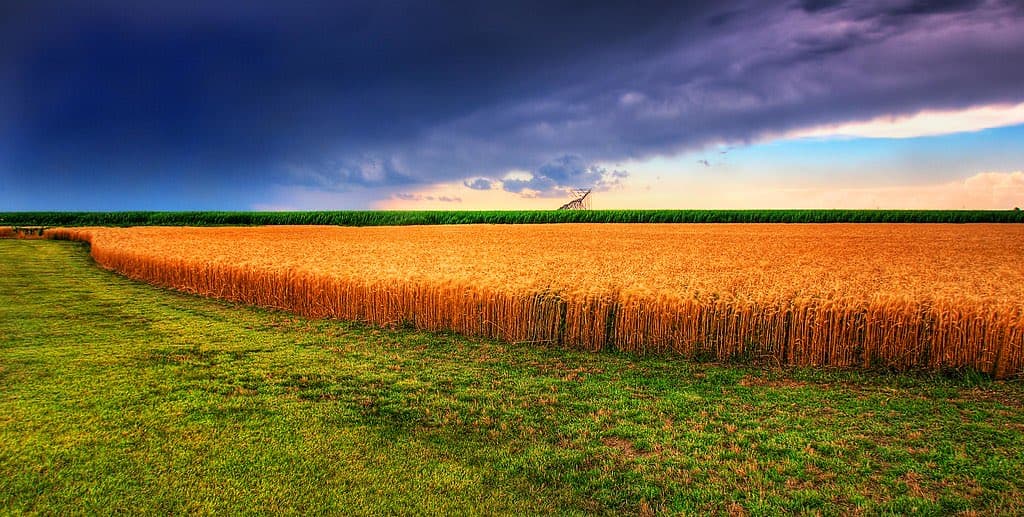
Annual rainfall figures can look stable while becoming far harder to farm against, because what matters to a crop and to next season’s food is when the water arrives.
Shift one
01
The season starts later and ends earlier
A shorter reliable window means varieties that used to finish comfortably now run out of water during grain fill. The same seed, in the same place, is now a riskier choice for food security than it was.
Shift two
02
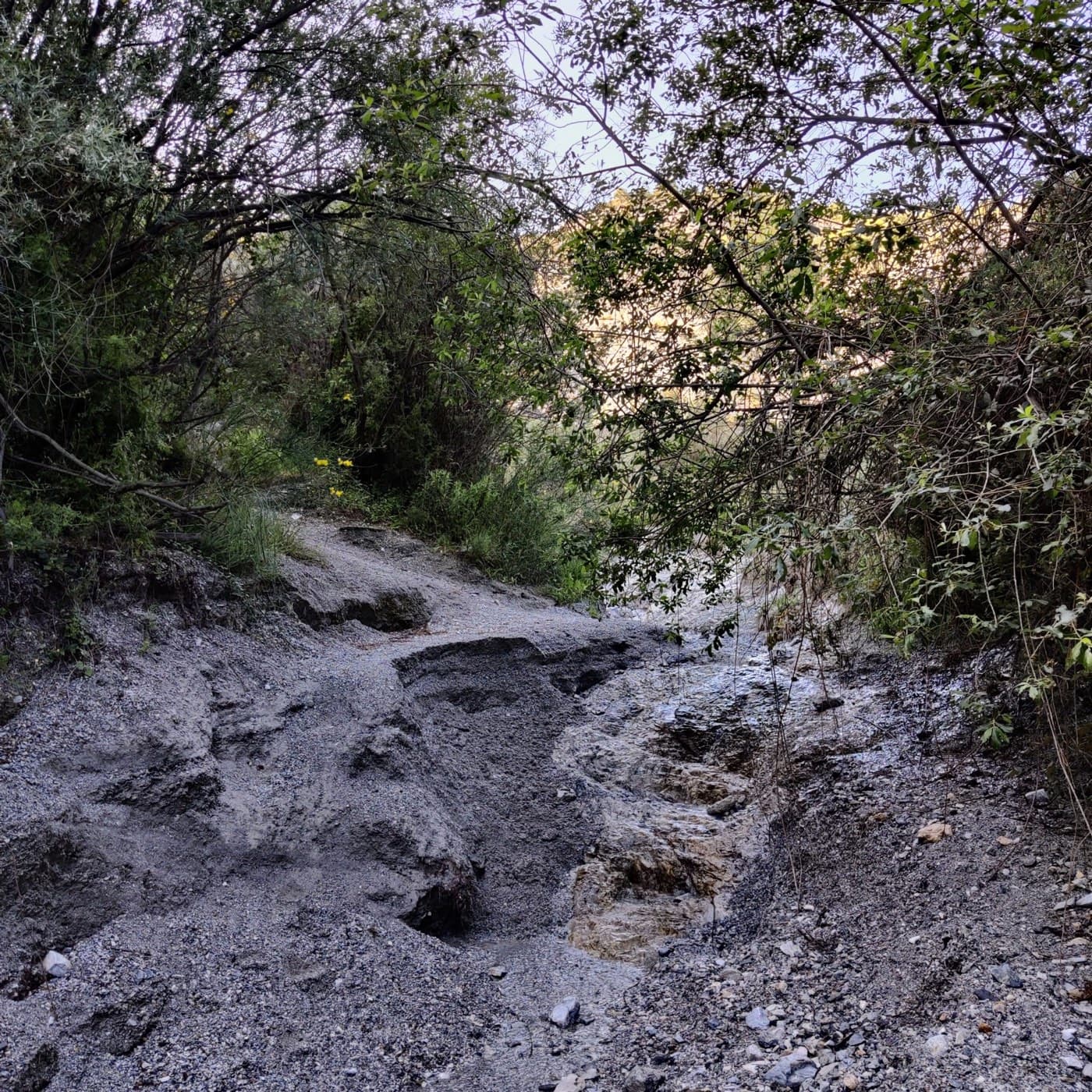
Mid season dry spells are more common
A two or three week break at flowering does more damage than the same shortfall spread across the season. This is where genuine stress tolerance, as opposed to early maturity, earns its place.
Shift three
03
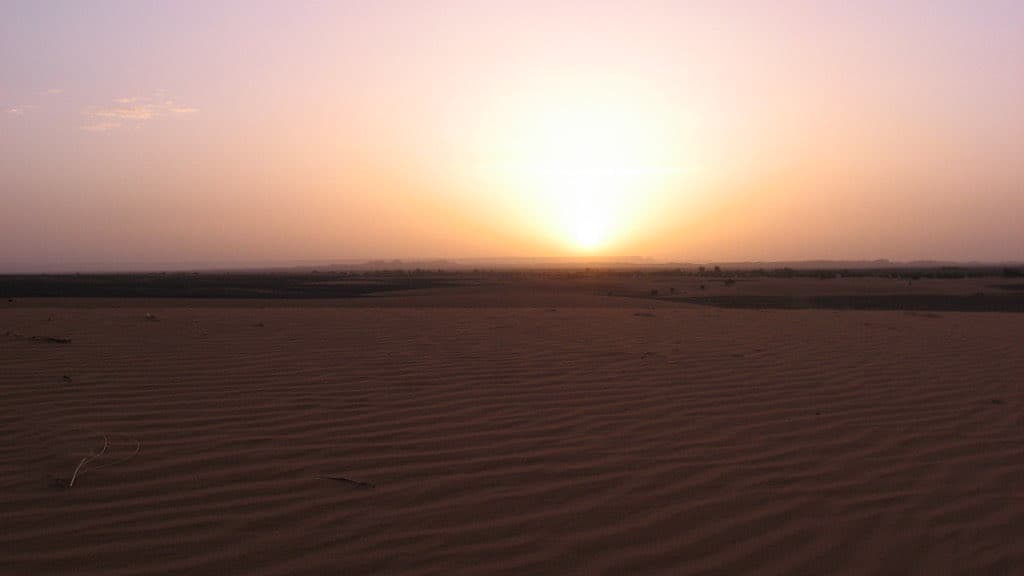
Heat is rising alongside the variability
Higher night temperatures shorten grain filling and cut yields even when rainfall is adequate. Heat tolerance is becoming a separate requirement rather than a byproduct of drought tolerance.
Response
04
Match duration to the season you now have
Where irrigation is not an option, the practical response is choosing varieties whose maturity fits the window that actually exists, accepting a lower ceiling in exchange for a harvest you can count on.
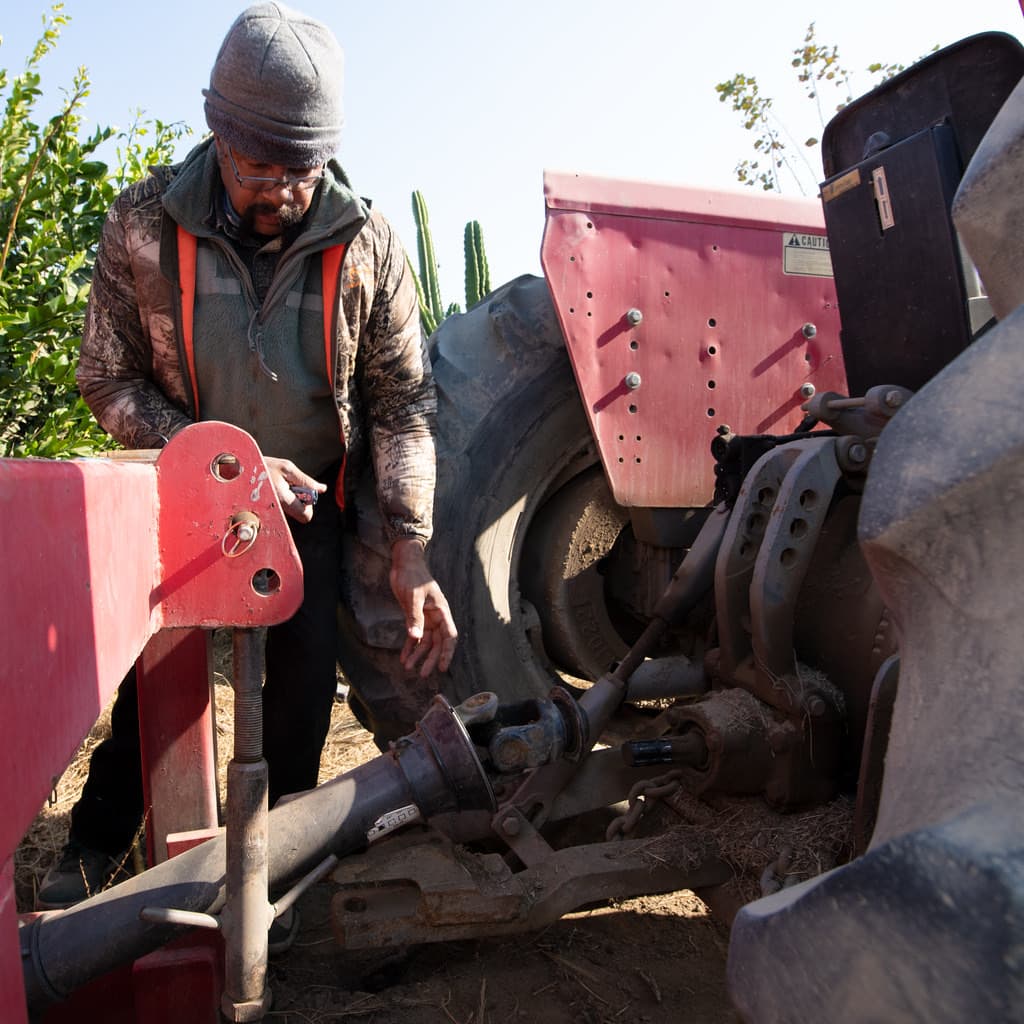
Two constraints, two different answers
Drought and waterlogging both destroy crops, and they call for opposite seed decisions.
Too little water, too unpredictably
In the north the question is whether a variety can finish before the water runs out. Duration and stress tolerance dominate everything else.
Enough water, other problems
In the humid south, rainfall is rarely limiting. Disease pressure, waterlogging and soil acidity are what actually cap yields.
See which varieties suit your zone
Match farms to drought and heat resilient varieties for local zone, soil, and season.
Get started (free)