
Crop Surveillance
The right seed still loses to an outbreak nobody saw coming
Pest and disease pressure can erase a climate resilient variety before harvest. Pooling what farmers observe turns scattered damage into an early warning while there is still time to act.
Get started (free)
Early damage is treatable. Late damage is not.
Fall armyworm has been established across sub-Saharan Africa since 2016 and is now a permanent feature of maize production. Caught in the first days of feeding it is manageable. Once larvae are large and sheltered deep in the whorl, the field is largely lost, and so is the food that planting season was meant to produce.
The difference between those two states is often less than a week of looking.
What to look for in the field
Early signals that turn a scattered farm observation into a district warning.
Windowing on young leaves
Small translucent patches where larvae have fed through one leaf surface. This is the earliest visible stage and the one worth acting on.
Benefit: Catch damage while it is still treatable
Frass in the whorl
Moist, sawdust like droppings packed into the leaf whorl. Often clearer than the damage itself, and a reliable sign larvae are still present.
Benefit: Clear field signal before canopy loss
Clustered reports nearby
One farm reporting damage is an anecdote. Several farms in a district reporting the same thing in the same week is an outbreak forming.
Benefit: District early warning from shared scouting
A district level picture built from field level observation
None of this requires new hardware. It requires a way for what a farmer already sees to reach the people who can act on it.
Step one
01
Scout deliberately, twice a week
Walk the field from emergence, checking whorls at several points rather than only along the edges. Damage is patchy, and field margins are not representative of what is happening inside.
Step two
02
Report what you find
A photograph and a location are enough. The value of a single observation is low; the value of many observations from the same district in the same week is high.
Step three
03
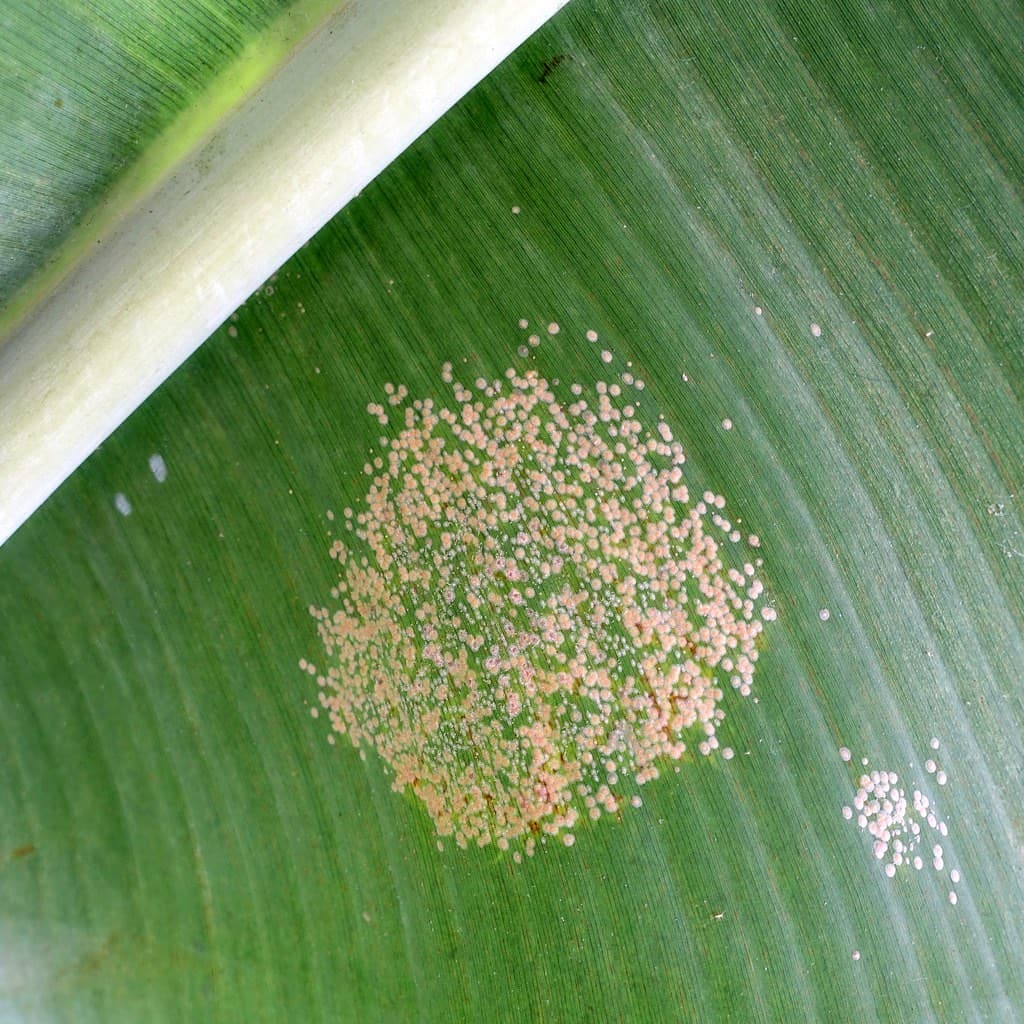
Identify the problem correctly
Armyworm, stem borer, and nutrient deficiency can look similar to an untrained eye and call for completely different responses.
Step four
04
Warn the farms downwind
Once a pattern is clear across a district, neighbouring farms can scout sooner and act earlier, protecting harvests that started with a climate fit variety.
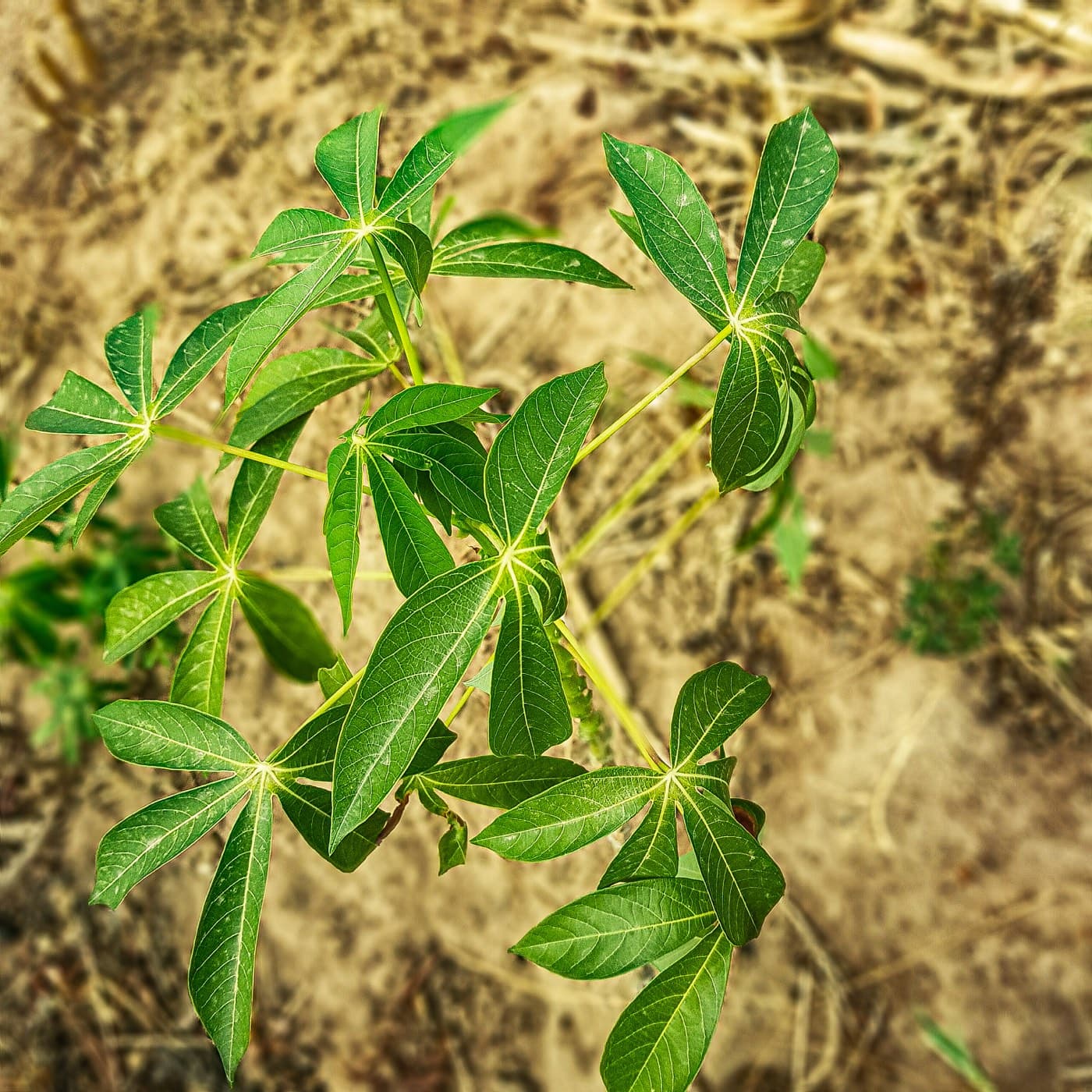
Resistance is a seed decision, not just a spray decision
Several varieties CropX recommends carry genetic resistance to the pest or disease that most threatens their crop: another layer of food security insurance after climate fit.
Groundnut rosette
Rosette virus can take an entire groundnut crop. Resistance in the SAMNUT series is the single most valuable trait in that species, ahead of drought rating.
Cassava mosaic
Mosaic disease is why modern cassava releases such as TME 419 and TMS 070337 are bred for tolerance or resistance as standard.
Find varieties with resistance traits
Start with climate fit seed, including options that carry genetic resistance where it matters most.
Get started (free)