
Agronomist Network
A model can rank varieties. It cannot walk a field.
Every CropX recommendation is a starting point for a conversation with someone who knows the district, so climate fit seed choices become planting decisions farmers can trust.
Get started (free)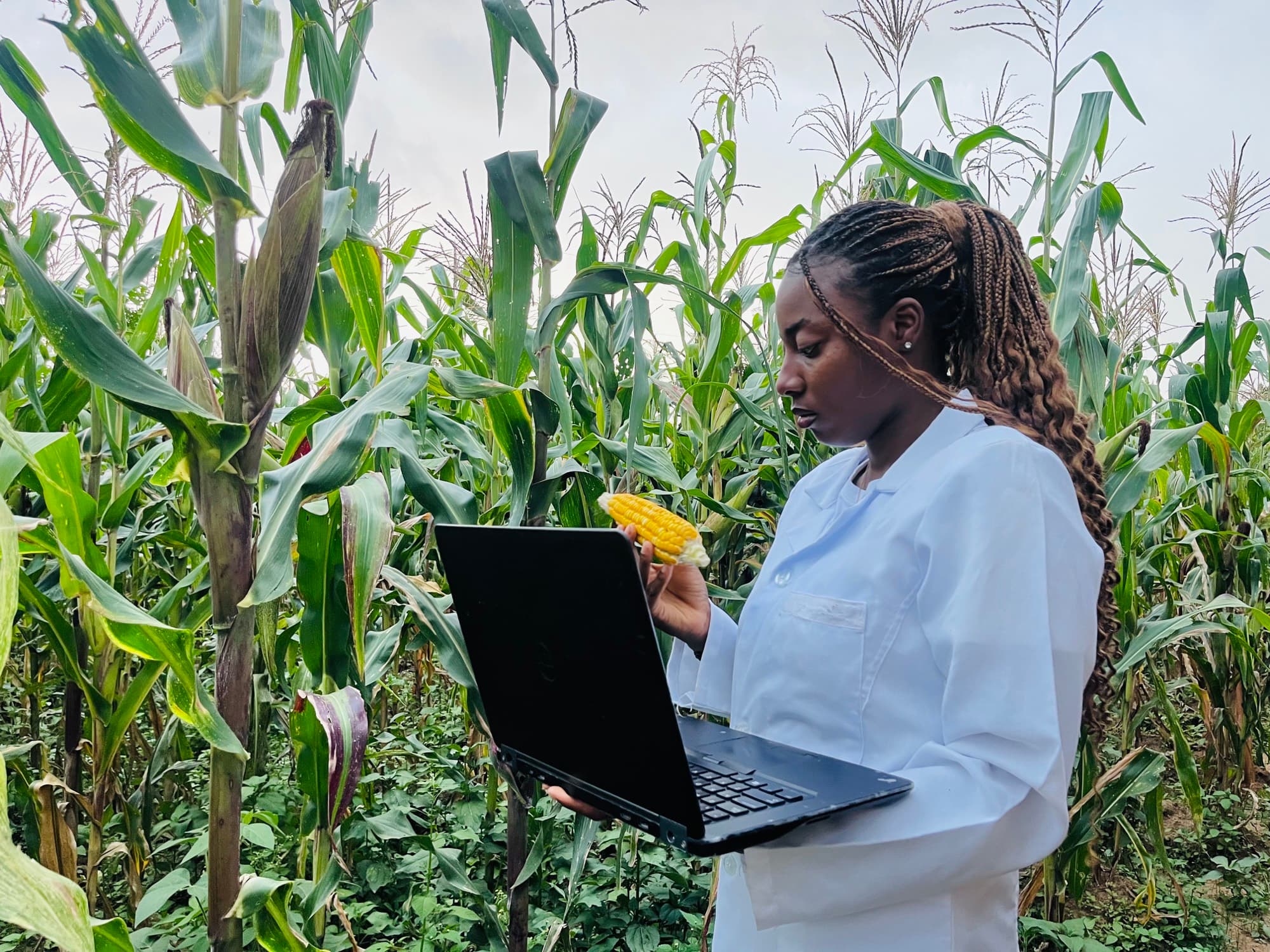
The extension gap is the real bottleneck
Research institutes have released the varieties. The difficulty is that the ratio of extension officers to farmers across much of the region means most farmers will never have a technical conversation about seed choice in a given season, even when food security depends on it.
Software cannot close that gap on its own, but it can make each hour of an agronomist’s time count for more, by arriving with the routine climate and soil questions already answered.
Software handles the routine, people handle the judgement
Anything that can be answered from location, soil, and crop should not consume an agronomist's visit.
Confirm or correct the shortlist
The ranking is built from zone level assumptions. An agronomist who knows the district can tell a farmer where those assumptions do not hold.
Benefit: Human judgement on local exceptions
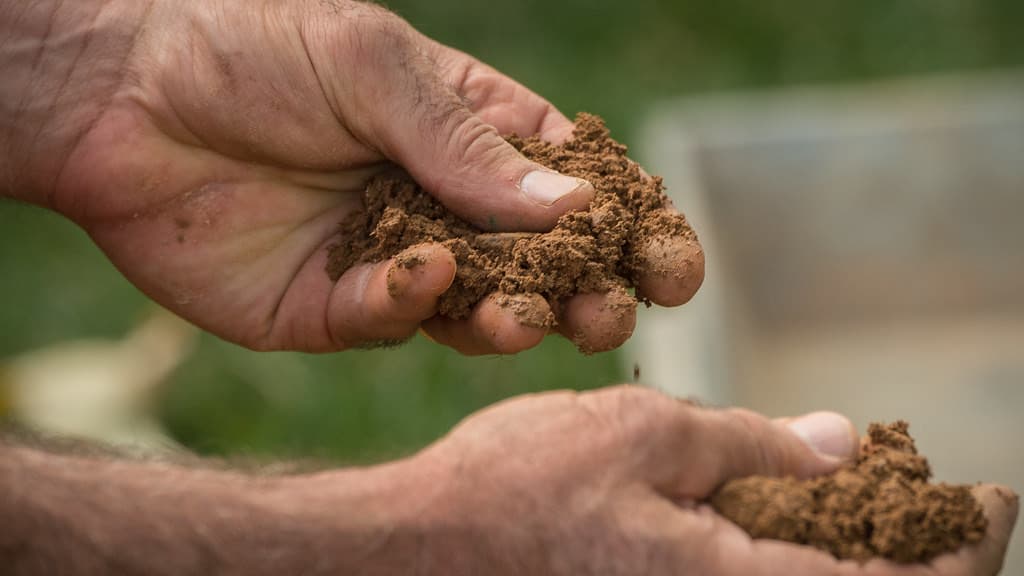
Diagnose what a photograph cannot
Soil chemistry, root damage, and several lookalike diseases need hands and sometimes a laboratory, not an image.
Benefit: Escalate what software cannot settle
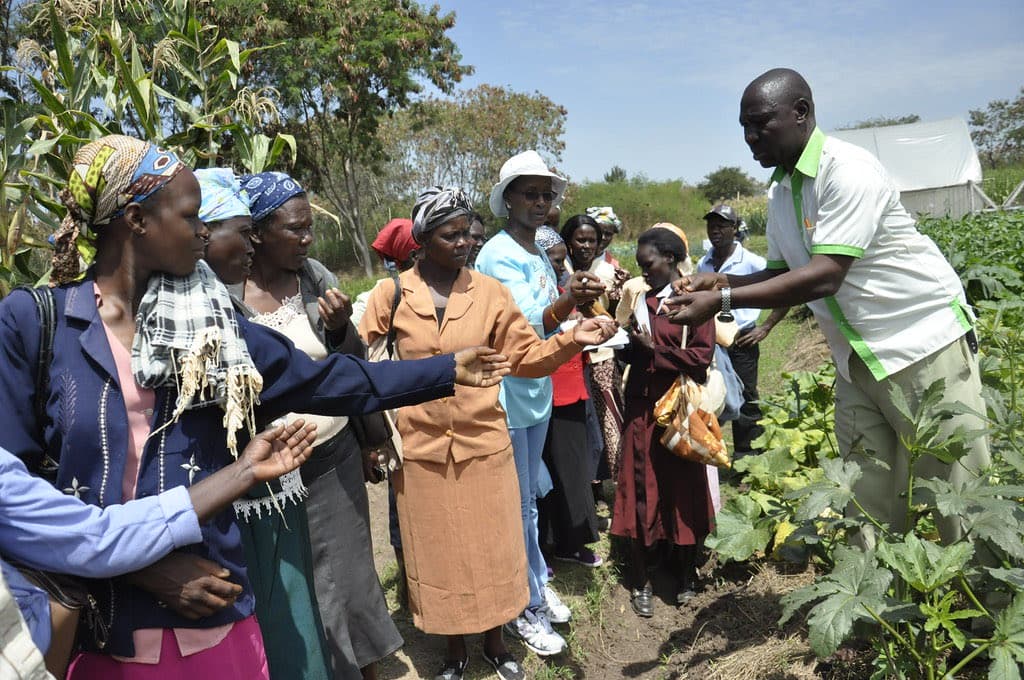
Train in groups where possible
Farmer field schools reach many more people per officer day than individual visits, and farmers learn from each other in the process.
Benefit: More farms reached per advisory hour
Step one
01
Arrive with the basics settled
A farmer who already has a shortlist of climate fit varieties suited to their zone and soil starts the conversation much further along than one asking what to plant.
Step two
02
Escalate what needs a human
Unclear pest identification, an unusual soil problem, or a variety that is recommended but unavailable locally are exactly the cases where judgement is irreplaceable.
Step three
03
Train in groups where possible
Farmer field schools reach many more people per officer day than individual visits, and farmers learn a good deal from each other in the process.
What CropX asks of an agronomist
Confirm or correct the shortlist
The ranking is built from zone level assumptions. An agronomist who knows the district can tell a farmer where those assumptions do not hold.
Diagnose what a photograph cannot
Soil chemistry, root damage, and several lookalike diseases need hands and sometimes a laboratory, not an image.
For agronomists and extension officers
If you advise farmers professionally, the parts of CropX likely to be useful are a consistent zone reference, released variety details with breeder attribution, and written reasoning for each suggestion, including the arguments against it.
Partner with CropX
Questions about joining as an agronomist or extension partner? Get in touch.
Contact us