CropX Agronomy
·
9 Jun 2026
·
5 min read
Cowpea: the crop that pays the next season back
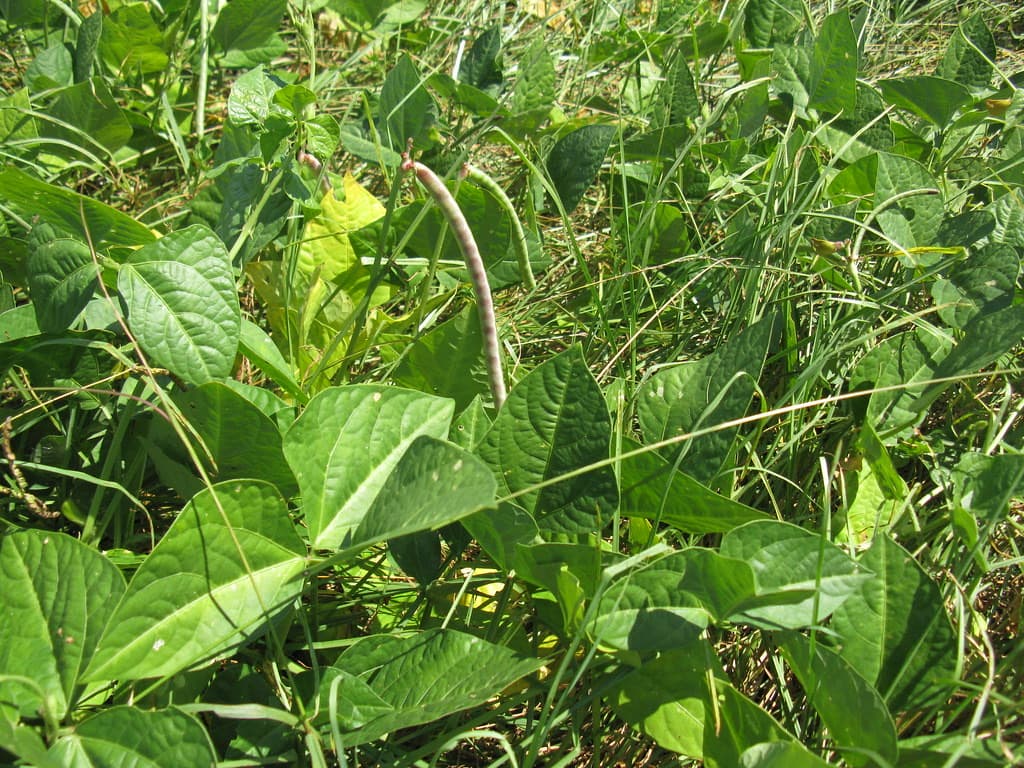
Cowpea rarely gets the attention maize does, which understates its usefulness. It is drought hardy, quick, edible in several forms, and it improves the soil rather than depleting it.
Nitrogen, without buying it
Cowpea forms a partnership with soil bacteria that convert atmospheric nitrogen into a form plants can use. Some of that nitrogen remains in the residues after harvest, so a cereal following cowpea starts from a better position than one following a cereal. Where fertiliser is expensive or simply unavailable, this is one of the few levers a farmer genuinely controls.
Short enough to rescue a season
At roughly 70 to 80 days, varieties such as SAMPEA 14 or IITA's IT97K-499-35 can be planted well into a season and still produce. That makes cowpea the standard fallback when a cereal planting fails.
The pest problem, and one answer to it
The honest difficulty with cowpea is Maruca pod borer, which can require repeated insecticide sprays that many farmers cannot afford or apply safely. SAMPEA 20-T, developed by IAR Zaria with AATF, is resistant to the pod borer and sharply reduces spraying. It is a genetically modified variety, which is a real consideration for anyone selling into markets that restrict GM produce, so it is a choice to make deliberately.
Fitting it in
Rotate rather than monocrop, and give it reasonable spacing rather than treating it as a filler between cereal rows. Intercropping works, but a crowded cowpea plant fixes less nitrogen and yields less of everything.
Legumes
Soil
The agronomy here is general guidance, not a substitute for advice tailored to your field. Confirm variety choices with an agronomist or your state agricultural development programme. Try the Seed Advisor.