CropX Agronomy
·
23 Jun 2026
·
5 min read
Certified seed, and why it costs more than grain
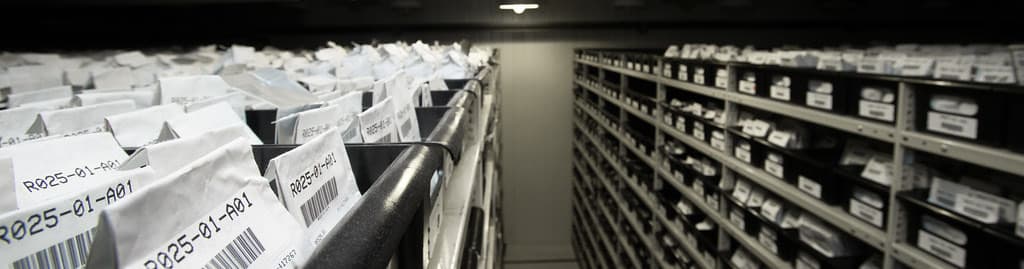
Recommending a variety is only useful if a farmer can obtain that variety and be confident that is what is in the bag. In practice this is where a lot of good advice breaks down.
What certification actually guarantees
Certified seed is produced under inspection and tested before sale. What you are buying is a stated germination percentage, freedom from other varieties and weed seed, and traceability to a known variety. Grain saved from last year's harvest carries none of these guarantees, and if last year's crop was a hybrid, the saved seed will not perform like its parent at all.
Hybrids cannot be saved
Open-pollinated varieties such as the SAMMAZ maize series can be saved and replanted for a few seasons with modest decline. Hybrids such as Oba Super 9 lose much of their advantage in the first saved generation, because the uniformity you paid for does not carry through. If you are buying a hybrid, budget for fresh seed every season.
Practical checks at the point of sale
- The bag states the variety name, not just "improved maize"
- There is a germination percentage and a test or packing date
- The seal is intact
- The seller is an accredited dealer who can name the producing company
Where to look
State agricultural development programmes, accredited agro-dealers, and seed companies are the usual routes. CropX does not sell seed; it tells you what to ask for so that the conversation with a dealer starts from a specific variety rather than a vague description.
Seed systems
The agronomy here is general guidance, not a substitute for advice tailored to your field. Confirm variety choices with an agronomist or your state agricultural development programme. Try the Seed Advisor.