













Why CropX exists
Built for climate resilient planting decisions
Safeguarding African food security by helping farmers choose drought and climate resilient seed varieties, so more harvests still yield in a warming environment.
Why choose CropX?
Most farmers are still planting seed bred for a climate that no longer exists. Across the Sahel and the savanna, rains start later, stop earlier, and break mid season more often than a generation ago, and a failed harvest is a food security problem, not only a yield problem.
Research institutes have already released drought and heat resilient varieties. CropX closes the gap between that science and the farm gate: Match farms to drought and heat resilient varieties for local zone, soil, and season.
“Match the variety to the season that is actually coming, not the one that used to come.”
CropX agronomy principle
Climate fit seed choice, explained
Three things every recommendation is built on: zone climate, resilience ranking, and reasoning you can read.
Zone first matching
Your state maps to one of six agro-ecological zones with rainfall and season length, so recommendations start from the climate you actually farm in.
Benefit: Location becomes a climate fact, not a guess
Drought and heat aware ranking
Released varieties are scored on drought tolerance, heat tolerance, season fit, and yield potential, weighted by how much each matters locally.
Benefit: Resilience weighted where it counts most
Reasoning on every match
Every shortlist entry explains why it ranked where it did, including risks such as a maturity window that may outlast the rains.
Benefit: No black box planting advice
A dual crisis of climate stress and seed mismatch
Warming seasons and poorly matched varieties hit the same harvest. CropX exists to close that gap at planting time.
Climate
1.5–2×
Faster Sahel warming
The growing season is shortening and mid season dry spells are more common. Varieties bred for yesterday’s climate are a food security risk.
Indicative; citation pending
Seed mismatch
30%
Yield at stake
A poorly matched variety can lose a large share of harvest when rains break early. That is household food, not only farm income.
Indicative range, not a measured trial figure
Food security
2 in 3
Smallholder farms
Most farms are under two hectares. Seed choice has to be legible without accounts, dashboards, or specialist jargon.
Indicative; citation pending
How a shortlist is built
Four steps from farm conditions to a climate fit variety ranking: no account, no data stored, and the reasoning shown for every match.
Step one
01
Describe the farm
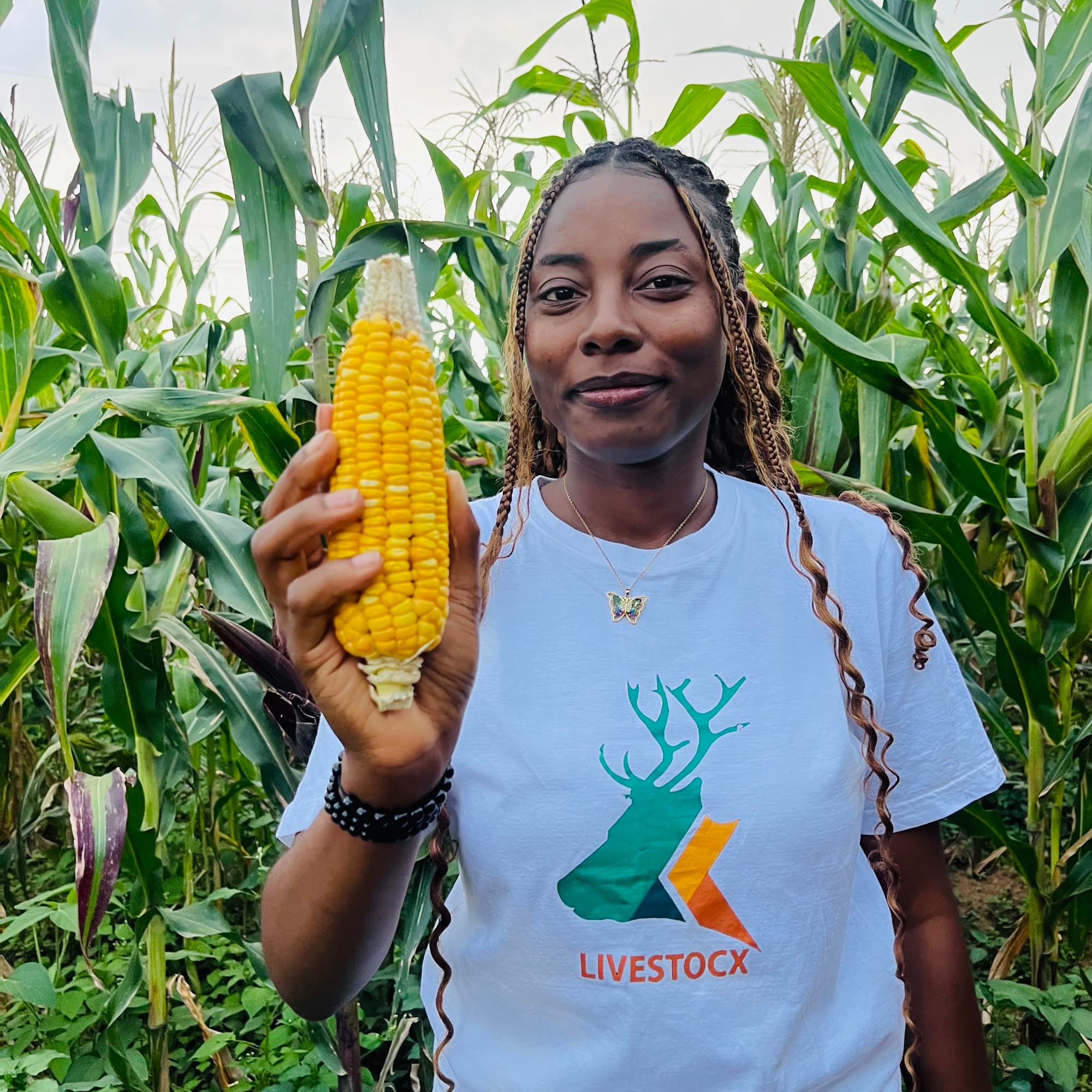
State, soil type, the crop you plan to grow, and how much land you are planting. No account, no personal details, nothing stored.
Step two
02
Locate it in a climate
Your state resolves to one of six agro-ecological zones, each with a rainfall range, a growing season length, and a drought risk profile. This is what turns a general question into a specific one.
Step three
03
Rank the released varieties
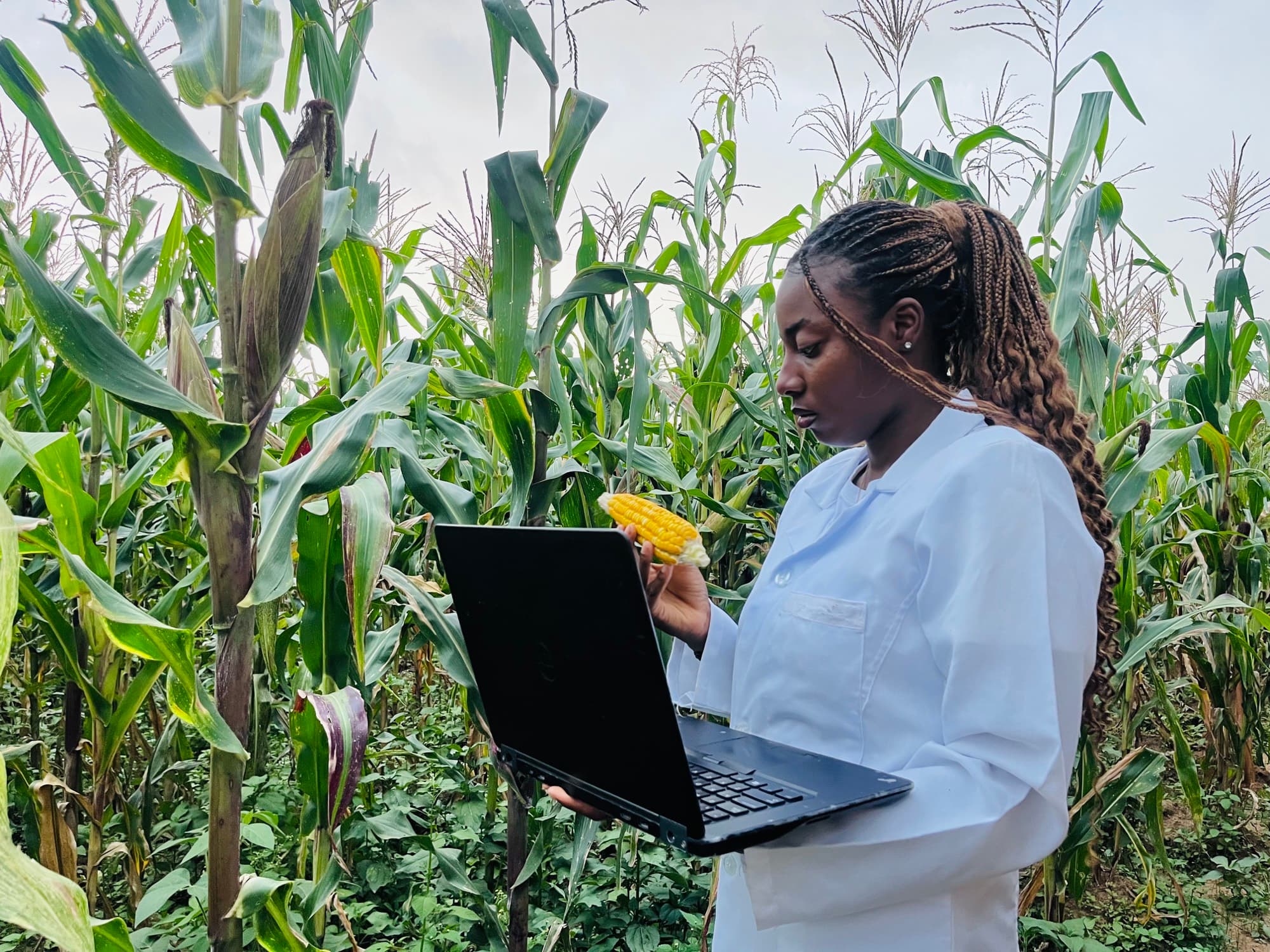
Varieties bred for that zone and suited to that soil are scored on drought tolerance, heat tolerance, season fit, and yield potential, weighted by how much each matters where you are.
Step four
04
Read the reasoning
Every recommendation explains why it ranked where it did, including the reasons against it. A variety that may not finish before the rains withdraw is flagged, not hidden.
What we are building toward
A practical path from location to a climate resilient variety shortlist that protects yield under warming conditions.
6
Agro-ecological zones in the Nigeria preview map
30+
Released varieties in the curated preview dataset
0
Accounts required: advisor runs in the browser
4
Questions to generate a ranked shortlist
100%
Client side preview: no farm data transmitted
IAR · IITA · NCRI
Breeder institutes named in the variety dataset
From the Field Notes
Practical agronomy on seed choice, drought, soil, and planting under a changing climate.
Field Notes · 6 min read
What "drought tolerance" actually means on a seed packet
Two varieties can both be sold as drought tolerant and survive a dry year by completely different strategies. Knowing which one you are buying changes when you plant it.
Read article
Protect next season’s harvest
Four questions, no account, and a ranked shortlist of drought and climate resilient varieties for your farm.
Open the Seed Advisor